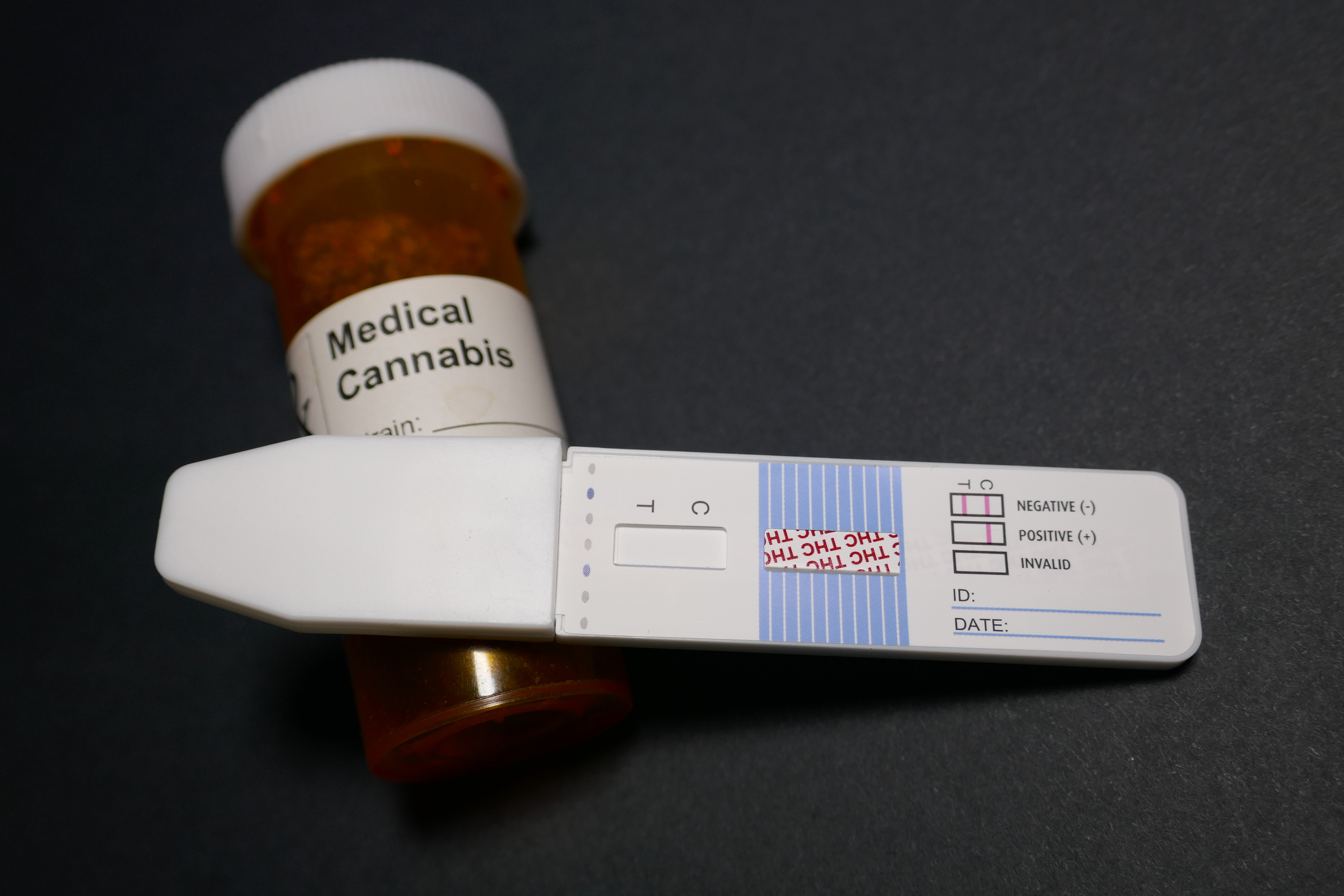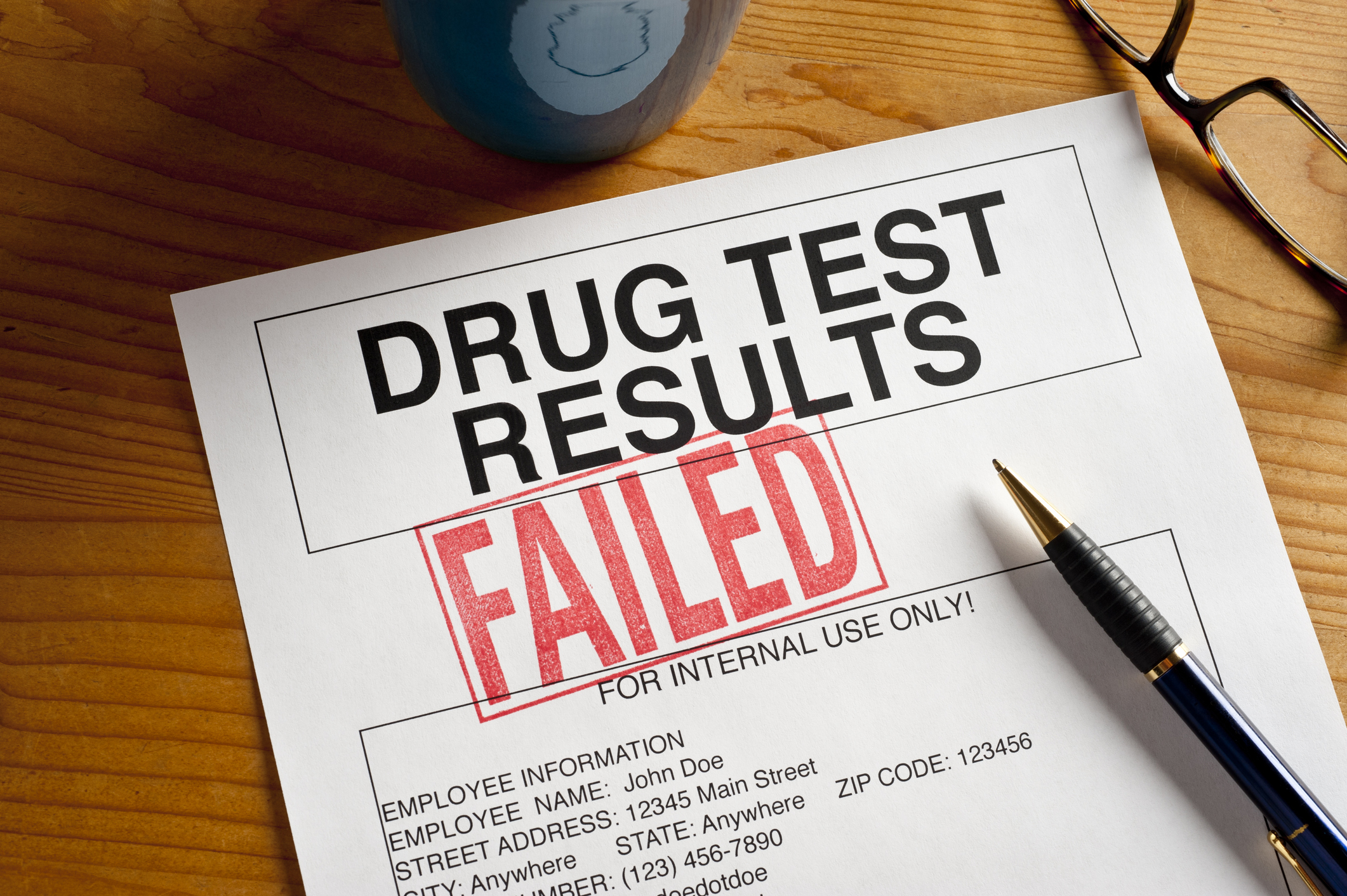
You want a safe workplace and have adopted a Drug Free Workplace policy. You may even have government contracts that require you to drug test your employees. How does the brave new world of legalized marijuana, medical marijuana, and CBD products fit in? The answer, like many legal questions, depends. However, in Flannery v. Peco

Recently, a divided United States Supreme Court held that a cannabis product manufacturer could face civil liability under the Racketeer Influenced and Corrupt Organizations Act (RICO) if a consumer suffered a personal injury that created a business or property loss to the consumer. Specifically, the Court concluded that an employee could state a claim under

2024 was a banner year for cannabis lawmakers and business operators. From Kamala Harris advocating for marijuana reforms to California’s clash of titans between hemp and marijuana markets, there was no shortage of drama in the cannabis industry. Vice President Harris vocally championed marijuana legalization on various platforms, emphasizing its importance for social justice. Meanwhile

When you work in the cannabis business, you get used to answering questions that don’t always make sense. One question we get most often is whether an employee can use a legal product that nonetheless may cause the employee to fail a drug test conducted by her employer.

We have a bit more clarity since

When can you rely on a positive drug test to terminate an employee? If the employee suggests a reason for a false positive, like hemp use, can you still side with the drug test? The Sixth Circuit’s decision in Fisher v. Airgas USA, LLC, et al. is instructive.

Blowing Smoke

In October 2019, Airgas hired

As Bradley previously reported, the Federal Trade Commission at the beginning of last year issued a notice of proposed rulemaking to effectively ban employee noncompete provisions as an unfair method of competition in violation of Section 5 of the FTC Act. Following a 16-month administrative process that drew more than 26,000 public comments, the

The budding cannabis industry, despite its rapid growth and gradual acceptance in recent years, still faces a major sustainability challenge: Cannabis businesses cannot deduct most ordinary business expenses. Under Internal Revenue Code Section 280E, no tax deduction or credit is allowed for amounts paid or incurred in carrying on a business if the business consists

It looks like medical marijuana products may be available in the Magnolia state later this fall. As expected, it will be highly regulated and can only be used by registered, qualified patients who have been diagnosed with a specific condition listed within the law by a medical practitioner. So where does that leave an employer